We are officially in engagement season! We absolutely love seeing all of the posts announcing people said yes to forever. Knowing what everyone’s talking about when it comes to diamonds can be a little daunting, though. That’s why we’ve created this handy-dandy glossary of diamond terms for you. Knowing these terms will help you find the perfect diamond with confidence!
4Cs (adjective): Cut, clarity, carat, and color are four of the primary ways jewelers evaluate the quality of a diamond. Developed in the 1900s by the Gemological Institute of America (GIA), the Four Cs are a quick and powerful tool to help you decide which diamond is right for you.
Cut: Diamond cut is a shorthand way of saying how much light a diamond interacts with. Jewelers look at several key things to determine the quality of cut. The brightness of the diamond shows how much white light is reflected by the gem. The fire shows the scattering of that white light, and the scintillation shows the amount of sparkle. We broke down some of the most popular cuts for you here.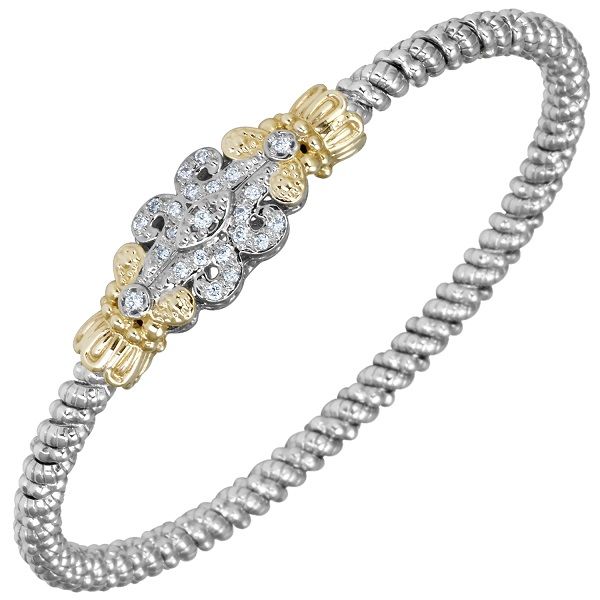
Clarity: The clarity of a diamond shows how pure the diamond is. Diamonds are formed underground using tremendous pressure, and natural differences called inclusions and exclusions happen. The diamond clarity rating takes into consideration how many of these differences happen and how significantly they impact the overall look of the diamond. Diamonds are rated on a scale from fewest inclusions to most. The highest quality diamond is called “flawless,” which means that no exclusions or inclusions are visible under 10x magnification. The lowest quality is called “included,” and those diamonds have obvious imperfections under magnification that impact the diamond brilliance. This Vahan bracelet is full of diamonds with great clarity.
Color: Just like clarity, diamond color is graded on a scale. Believe it or not, we are actually looking at the absence of color in a diamond. The purest white diamond is a level D, and a level Z diamond has light coloring. Wondering why the scale starts at D? We did too! The GIA explains that when they standardized this scale, there were multiple other tools being used by different jewelers around the world. One of those tools was an A-C scale, and GIA didn’t want anyone to get confused.
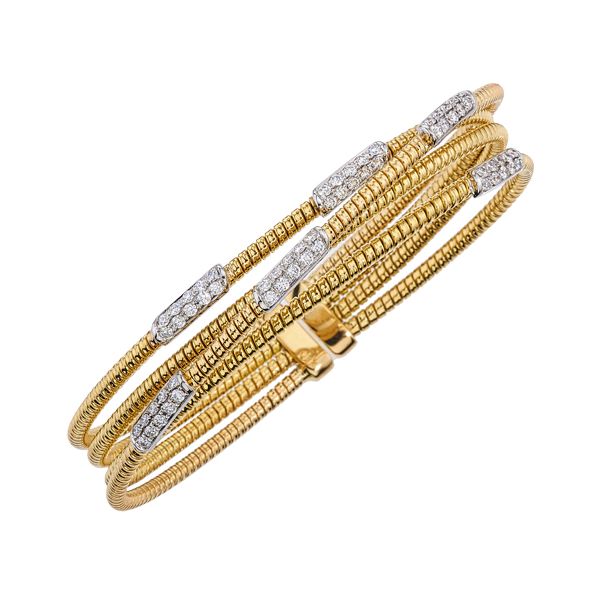
There is also such a thing as colored diamonds (more on that in a little bit!), and these diamonds are actually not graded on the same scale. They are considered “fancy color” diamonds and we look at them differently. We love the color on this layered diamond bracelet!
Eye clean (adjective): While some people are very concerned with the true 4Cs of diamonds, others are more flexible and care more about the diamond’s look. That’s where shopping for an eye-clean diamond comes into play! To the naked eye, there aren’t tons of visible differences between the highest quality diamonds. Some people prefer to focus on eye-clean diamonds, or diamonds that don’t have visible flaws. Eye-clean diamonds DO have inclusions, but they are either small enough not to be noticeable or cleverly hidden with the jewelry setting. There are definitely pros and cons to focusing on clarity, but for budget-concerned shoppers, checking out eye-clean diamonds is a great way to make sure you have a good-looking diamond at a reasonable price.
Shape (noun): The shape of a diamond goes hand-in-hand with its cut. Popular shapes you might have heard of include round, Asscher, radiant, and pear-shaped. Shape and cut work together to maximize the amount of light reflected by the diamond (aka - sparkle!). Check out some of our favorite shapes here!
You can also use our interactive diamond finder to find the stone that’s perfect for your custom project. You can set filters for the shape of the diamond as well as each of the 4Cs to find the diamond of your dreams!
Facing up white (verb): a diamond is said to be “facing up white” if it appears to be colorless when you look at it. These diamonds are usually lower on the GIA color scale, but the cut of the diamond and the way it’s set make the diamond look higher quality. When we grade diamond color, we do it face down — we flip the diamond point-side-up and evaluate like that so the sparkle doesn’t overshadow the true color. However, most jewelry isn’t set that way, and in many settings, only the face-up side is shown. This means that a diamond can potentially rate lower on the color scale (less colorless) but appear to be higher when looked at in a ring or other piece of jewelry. Just like eye-clean diamonds, shopping for a diamond that faces up white can be a great way to save some money.
Laboratory-grown diamonds (noun): Lab-grown diamonds are one of the most controversial topics to hit the jewelry world in quite some time! Let’s take a look at the facts. A traditional diamond is mined from the ground after undergoing intense natural processes. A laboratory-grown diamond is produced using technology instead. These diamonds have virtually identical chemical structures and are almost impossible to tell apart from natural diamonds for the average person. However, gem laboratories can tell the difference.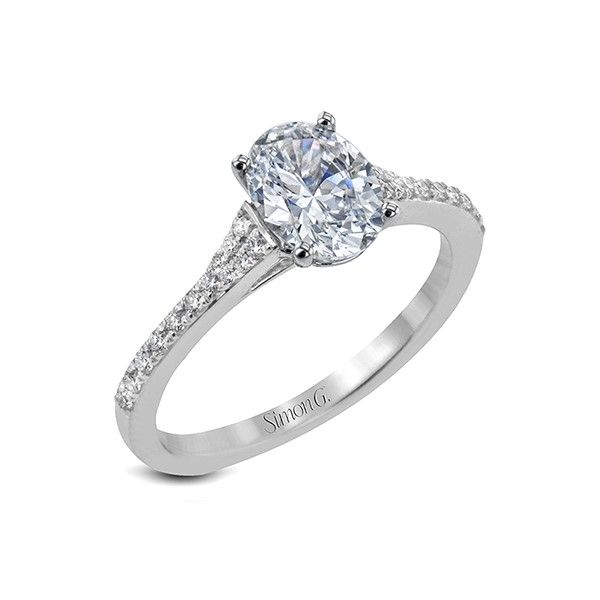 Natural diamonds (noun): Natural diamonds are the opposite of laboratory-grown diamonds. These diamonds are mined from the ground. However, we also use the term natural diamond to distinguish stones from synthetic stones. Synthetic stones aren’t diamonds at all. They are other gemstones, like cubic zirconia or white sapphire, that look like diamonds. This SimonG engagement ring? DEFINITELY a natural diamond!
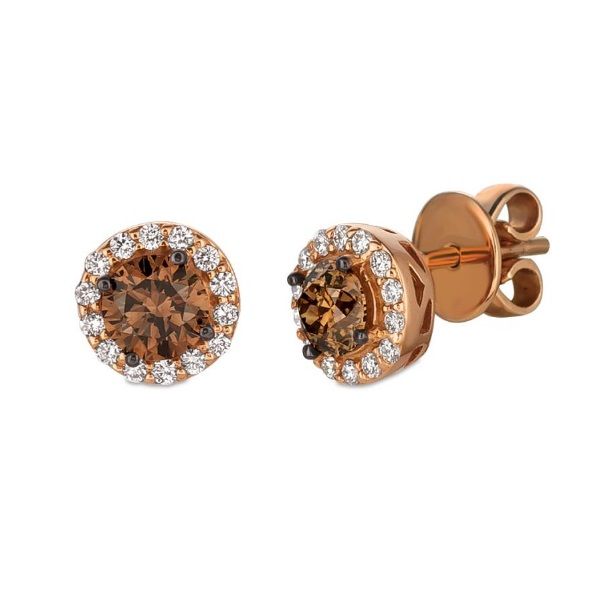 Colored diamonds (noun): You might have heard of things like chocolate diamonds and wondered where they fit on GIA’s color scale. The answer? Completely off it! Colored diamonds come naturally in all sorts of hues: black, brown, yellow, and even blue or red. These diamonds are super rare, so they get rated on their own scale. They ARE still diamonds, though, so you can use tools such as evaluating the cut, clarity, and carat size to find the quality. These Le Vian earrings use both traditional and colored diamonds to make a GORGEOUS piece of jewelry.
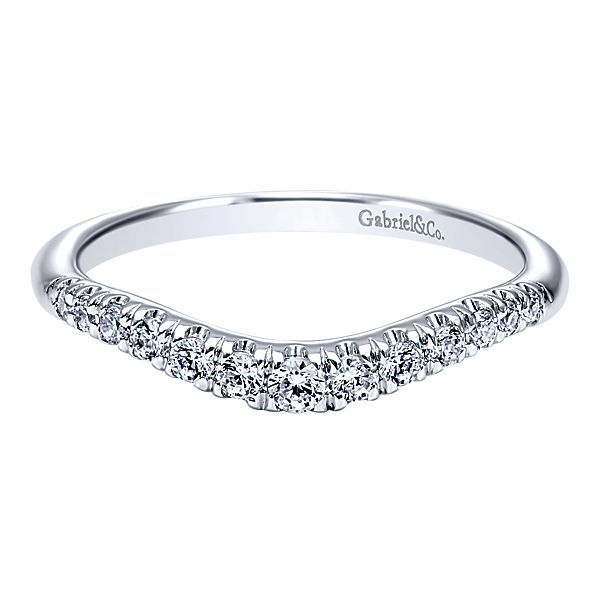 Pave (adjective): Pave jewelry is a piece that has many smaller diamonds set close together. The diamonds appear to be touching, so they create a seemingly-continuous surface of diamonds. Many engagement rings and infinity bands use this style. We love this Gabriel and Co. diamond anniversary band.
Do you feel like a diamond expert yet?! You should! Don't worry if it seems a little overwhelming still — that's what our jewelry stylists are for! Our Prince Frederick and Dunkirk stores offer a variety of COVID-19 safe shopping methods, so head in (or head to our site) to find the perfect diamond for you today.
4Cs (adjective): Cut, clarity, carat, and color are four of the primary ways jewelers evaluate the quality of a diamond. Developed in the 1900s by the Gemological Institute of America (GIA), the Four Cs are a quick and powerful tool to help you decide which diamond is right for you.
Cut: Diamond cut is a shorthand way of saying how much light a diamond interacts with. Jewelers look at several key things to determine the quality of cut. The brightness of the diamond shows how much white light is reflected by the gem. The fire shows the scattering of that white light, and the scintillation shows the amount of sparkle. We broke down some of the most popular cuts for you here.
Clarity: The clarity of a diamond shows how pure the diamond is. Diamonds are formed underground using tremendous pressure, and natural differences called inclusions and exclusions happen. The diamond clarity rating takes into consideration how many of these differences happen and how significantly they impact the overall look of the diamond. Diamonds are rated on a scale from fewest inclusions to most. The highest quality diamond is called “flawless,” which means that no exclusions or inclusions are visible under 10x magnification. The lowest quality is called “included,” and those diamonds have obvious imperfections under magnification that impact the diamond brilliance. This Vahan bracelet is full of diamonds with great clarity.
Color: Just like clarity, diamond color is graded on a scale. Believe it or not, we are actually looking at the absence of color in a diamond. The purest white diamond is a level D, and a level Z diamond has light coloring. Wondering why the scale starts at D? We did too! The GIA explains that when they standardized this scale, there were multiple other tools being used by different jewelers around the world. One of those tools was an A-C scale, and GIA didn’t want anyone to get confused.
There is also such a thing as colored diamonds (more on that in a little bit!), and these diamonds are actually not graded on the same scale. They are considered “fancy color” diamonds and we look at them differently. We love the color on this layered diamond bracelet!
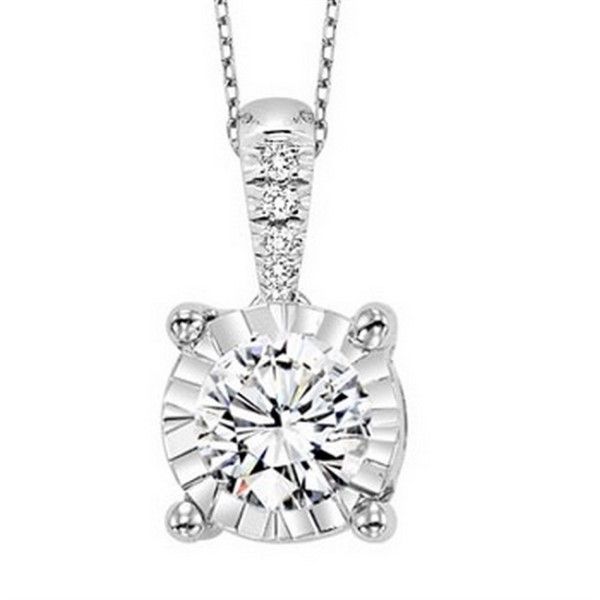
Carat: This one’s easy — a diamond carat is just how much a diamond weighs! One carat is about 200 milligrams, and we can get very precise when measuring carats. Larger-carat diamonds are usually popular because larger diamonds are more rare to find. Carats are abbreviated “k”, as in 24k magic (thanks, Bruno Mars!), or “ct”. This diamond solitaire necklace has a .1k diamond in the center.
Eye clean (adjective): While some people are very concerned with the true 4Cs of diamonds, others are more flexible and care more about the diamond’s look. That’s where shopping for an eye-clean diamond comes into play! To the naked eye, there aren’t tons of visible differences between the highest quality diamonds. Some people prefer to focus on eye-clean diamonds, or diamonds that don’t have visible flaws. Eye-clean diamonds DO have inclusions, but they are either small enough not to be noticeable or cleverly hidden with the jewelry setting. There are definitely pros and cons to focusing on clarity, but for budget-concerned shoppers, checking out eye-clean diamonds is a great way to make sure you have a good-looking diamond at a reasonable price.
Shape (noun): The shape of a diamond goes hand-in-hand with its cut. Popular shapes you might have heard of include round, Asscher, radiant, and pear-shaped. Shape and cut work together to maximize the amount of light reflected by the diamond (aka - sparkle!). Check out some of our favorite shapes here!
You can also use our interactive diamond finder to find the stone that’s perfect for your custom project. You can set filters for the shape of the diamond as well as each of the 4Cs to find the diamond of your dreams!
Facing up white (verb): a diamond is said to be “facing up white” if it appears to be colorless when you look at it. These diamonds are usually lower on the GIA color scale, but the cut of the diamond and the way it’s set make the diamond look higher quality. When we grade diamond color, we do it face down — we flip the diamond point-side-up and evaluate like that so the sparkle doesn’t overshadow the true color. However, most jewelry isn’t set that way, and in many settings, only the face-up side is shown. This means that a diamond can potentially rate lower on the color scale (less colorless) but appear to be higher when looked at in a ring or other piece of jewelry. Just like eye-clean diamonds, shopping for a diamond that faces up white can be a great way to save some money.
Laboratory-grown diamonds (noun): Lab-grown diamonds are one of the most controversial topics to hit the jewelry world in quite some time! Let’s take a look at the facts. A traditional diamond is mined from the ground after undergoing intense natural processes. A laboratory-grown diamond is produced using technology instead. These diamonds have virtually identical chemical structures and are almost impossible to tell apart from natural diamonds for the average person. However, gem laboratories can tell the difference.
Do you feel like a diamond expert yet?! You should! Don't worry if it seems a little overwhelming still — that's what our jewelry stylists are for! Our Prince Frederick and Dunkirk stores offer a variety of COVID-19 safe shopping methods, so head in (or head to our site) to find the perfect diamond for you today.