

We all know diamonds...or do we?! Diamonds are arguably the most famous gemstone. From pop culture to shapes, diamonds are everywhere. But how much do you really know about this gorgeous gem?
We’re gearing up for an AMAZING diamond event on March 19 and 20, so to get ready, we’ve put together some fun facts about diamonds.
Fact 1: Diamonds really make the grade!
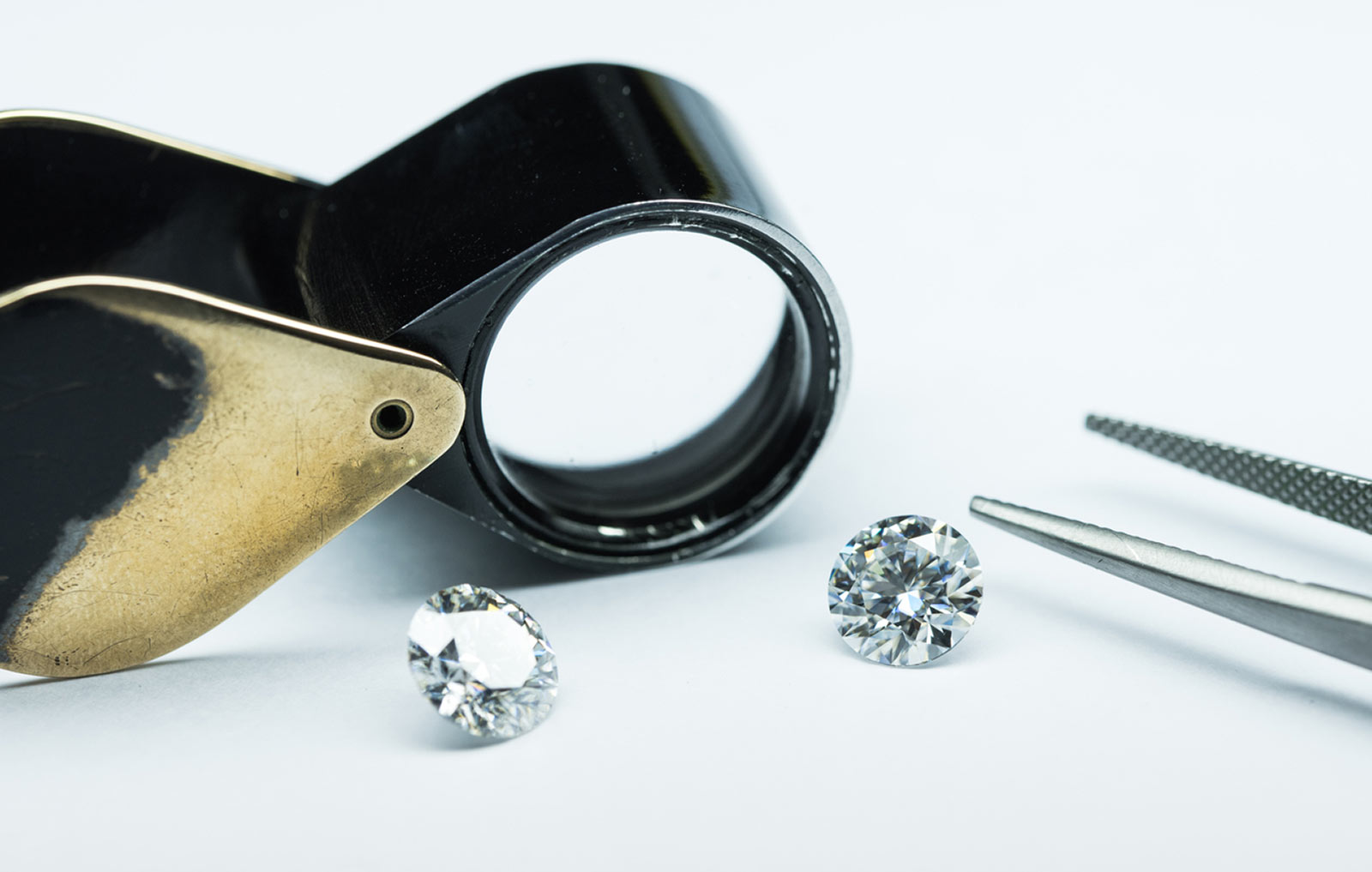
Call them the original honor roll student. Diamonds are graded based on the “four Cs”: color, clarity, carat weight, and cut.
Believe or not, diamonds that score top marks in color actually have very few natural hues. A perfect diamond is as clear as a drop of water and gets the grade D, whereas a diamond with quite a bit of color in it might be graded as a Z.
Diamond clarity has to do with internal features that we call “inclusions.” Because they are created naturally, diamonds can have these inclusions develop naturally. Many are too small for you to see or notice, but some can be significant. We take a look at those inclusions to provide you with a clarity score.
Many people are familiar with the idea of carat weight. We actually offer a service where you can trade in your current diamond to upgrade to a larger stone. This is a great anniversary present!
Finally, diamonds can be cut in many different ways that cause them to sparkle in distinct ways. We broke down some of the most popular cuts for you here!
Fact 2: Diamonds have an ancient history.
The word diamond actually comes from the ancient Greek language and means “invincible.” How cool is that?
Even before we had a name for these stones, they were discovered in ancient India. By the 15th century, they were incredibly fashionable in Europe to the point that India’s known supply had dwindled. Brazil became a major player in the diamond market, and in the 1800s, Cecil Rhodes established a massive diamond market based in southern Africa.
Back in those days, people believed that diamonds had mystical powers. They could keep you from getting sick, ward off the Evil Eye, and cure you if you’d been poisoned!
Fact 3: Diamonds come from around the world.

Like we just mentioned, diamonds were found in southern Africa in the 1800s, and they continue to be a major force in the diamond market. Russia also has several large diamond mines, as do Australia and Canada.
Regardless of where the diamond are mined, almost all diamonds pass through Antwerp, Belgium. In this city’s diamond district, the majority of diamonds in the world pass through either for cutting and polishing or for sale.
We hope this guide helped you learn some of the basics of diamonds! Ready to find your dream diamond? Make an appointment for March 19 and 20 to come find your perfect stone!
We’re gearing up for an AMAZING diamond event on March 19 and 20, so to get ready, we’ve put together some fun facts about diamonds.
Fact 1: Diamonds really make the grade!
Call them the original honor roll student. Diamonds are graded based on the “four Cs”: color, clarity, carat weight, and cut.
Believe or not, diamonds that score top marks in color actually have very few natural hues. A perfect diamond is as clear as a drop of water and gets the grade D, whereas a diamond with quite a bit of color in it might be graded as a Z.
Diamond clarity has to do with internal features that we call “inclusions.” Because they are created naturally, diamonds can have these inclusions develop naturally. Many are too small for you to see or notice, but some can be significant. We take a look at those inclusions to provide you with a clarity score.
Many people are familiar with the idea of carat weight. We actually offer a service where you can trade in your current diamond to upgrade to a larger stone. This is a great anniversary present!
Finally, diamonds can be cut in many different ways that cause them to sparkle in distinct ways. We broke down some of the most popular cuts for you here!
Fact 2: Diamonds have an ancient history.
The word diamond actually comes from the ancient Greek language and means “invincible.” How cool is that?
Even before we had a name for these stones, they were discovered in ancient India. By the 15th century, they were incredibly fashionable in Europe to the point that India’s known supply had dwindled. Brazil became a major player in the diamond market, and in the 1800s, Cecil Rhodes established a massive diamond market based in southern Africa.
Back in those days, people believed that diamonds had mystical powers. They could keep you from getting sick, ward off the Evil Eye, and cure you if you’d been poisoned!
Fact 3: Diamonds come from around the world.
Like we just mentioned, diamonds were found in southern Africa in the 1800s, and they continue to be a major force in the diamond market. Russia also has several large diamond mines, as do Australia and Canada.
Regardless of where the diamond are mined, almost all diamonds pass through Antwerp, Belgium. In this city’s diamond district, the majority of diamonds in the world pass through either for cutting and polishing or for sale.
We hope this guide helped you learn some of the basics of diamonds! Ready to find your dream diamond? Make an appointment for March 19 and 20 to come find your perfect stone!