
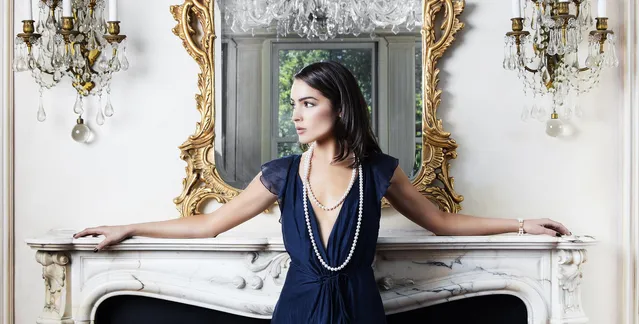
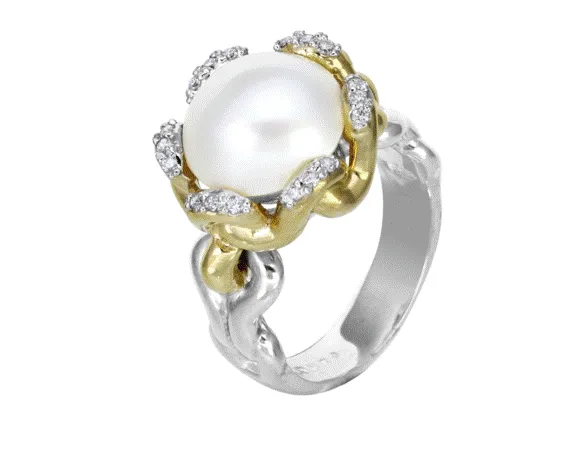
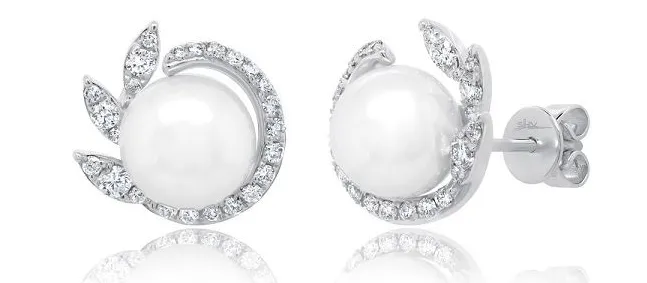
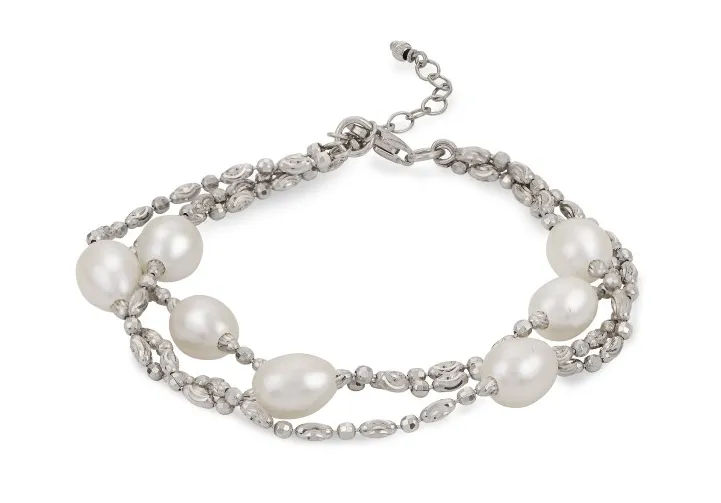
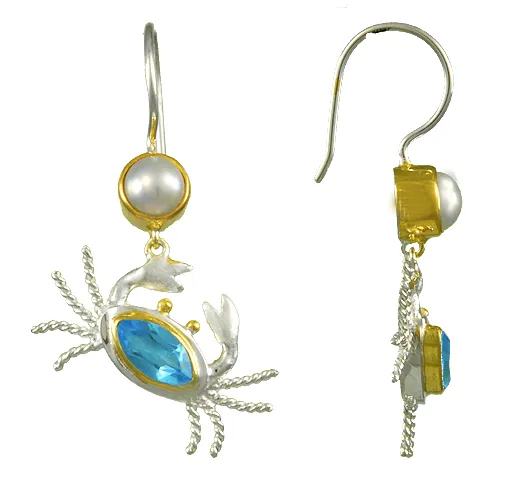
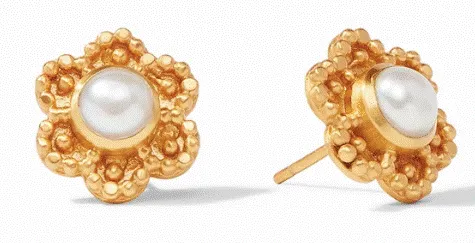
June’s birthstone is the pearl, and we are so excited to share some fun facts about this amazing gemstone with you! This gemstone is truly one-of-a-kind, and we can’t wait to show off this exciting birthstone. We’ve got so much to share with you about pearls, and we’ve included pictures of many of our favorite pieces of pearl jewelry. Click on each picture to learn more about that piece.
Pearls are so unique because, unlike many gems, they aren’t formed underground. Instead, pearls are formed in mollusks like oysters - how cool is that?
There are two main ways pearls are developed. Natural pearls form spontaneously inside mollusks, usually because of a teeny tiny particle that makes its way inside. Natural pearls get absolutely no assistance from humans to grow. Cultured pearls are much more common. These pearls form following a similar process, but humans help ensure that an “irritant” — usually a piece of shell — is placed in a precise location. Workers take care of the mollusks until the pearl is ready to be harvested.
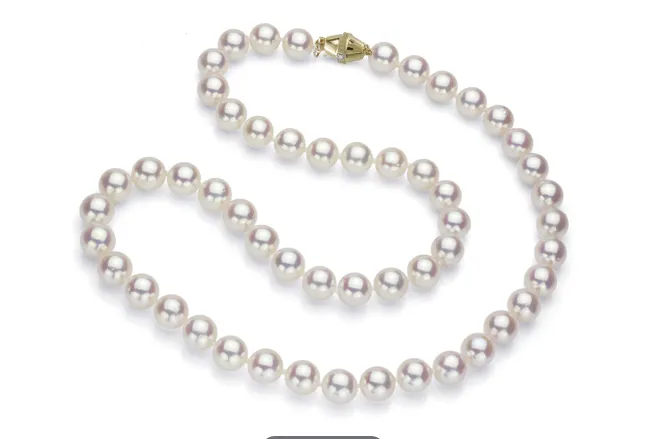
Because of this unique process, pearls come from all over the world! There are four main types of cultured pearls. You’re probably familiar with Akoya cultured pearls, even if you don’t know it yet. These pearls are white or cream-colored and are typically developed in China and Japan.
South Sea pearls come from Australia, Indonesia, and the Philippines. These pearls are super valuable and are typically white, silver, or gold. Did you know that the color of the pearl actually depends on the type of oyster that cultures it? Pretty cool!
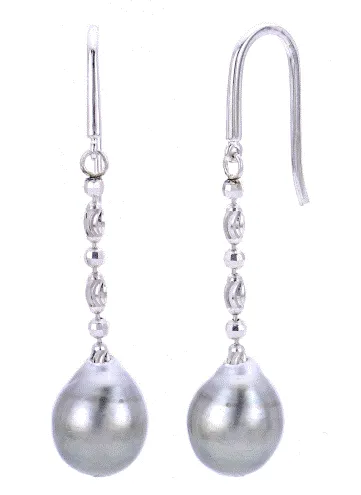
Tahitian pearls come from Tahiti and other French Polynesian islands. Like the other two types of pearls we’ve discussed, they’re cultured in saltwater. These pearls are often black but can have a wide variety of other colors as well.
The most common type of pearls, however, are freshwater pearls. The reason why these pearls are so popular is because they come in a HUGE variety of colors. China is the biggest producer of these types of pearls.
In addition to being June’s birthstone, pearls are the gem for third and thirtieth anniversaries. They also have some incredible history. The first record of pearls being mentioned was in 2206 BC in China. Unsurprisingly, rich and royal families prized these beautiful jewels. Pearls were actually said to help protect you from both fire and fire-breathing dragons.
We all learned it in school: in 1400 and 92, Columbus sailed the ocean blue. What you might not know is that up until then, virtually all pearls came from Asia. Columbus discovered that the native people on his voyages were often decked out in pearls. We know now that these native people were in what is today Venezuela and Panama. This opened up a massive new market and Europeans went wild for it! Europeans believed that pearls symbolized purity and chastity, so they were very interested in incorporating pearls into buttons, jewelry, art, and more. Unfortunately, they didn’t use sustainable trade practices, and they overharvested these pearls, drying up this market before 1600.
Three centuries later, Chinese and Japanese gemologists successfully cultured the first pearls. This allowed pearl culturing to spread around the world, making pearls much more accessible to everyday people.
With such an incredible history, you might be wondering how best to take care of your pearls.
Keep pearls away from high heat because this can cause them to crack or dehydrate. That’s why you never want to clean pearls in an ultrasonic or steam cleaner. Instead, the best idea is to wipe them with a very soft, clean cloth after wearing. You’ll want to be very particular about which cloth you use because pearls can be sensitive to many pollutants and chemicals, including hairspray and even sweat.
Dickinson Jewelers is always happy to help you take care of your pearls. We provide professional cleaning that will make your pearls look good as new! With proper care, pearls can become a prized heirloom, so this is so important.
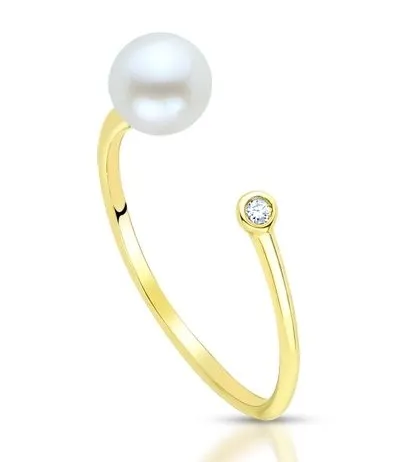
We also can help you find the perfect pearl look in our Dunkirk or Prince Frederick stores or online. Come see one of our jewelry stylists to help you find the style that’s right for you. Whether you’re drawn to the traditional strand of pearls or more interested in an updated look, we can help you find a piece you’ll treasure for years to come.
Pearls are so unique because, unlike many gems, they aren’t formed underground. Instead, pearls are formed in mollusks like oysters - how cool is that?
There are two main ways pearls are developed. Natural pearls form spontaneously inside mollusks, usually because of a teeny tiny particle that makes its way inside. Natural pearls get absolutely no assistance from humans to grow. Cultured pearls are much more common. These pearls form following a similar process, but humans help ensure that an “irritant” — usually a piece of shell — is placed in a precise location. Workers take care of the mollusks until the pearl is ready to be harvested.
Because of this unique process, pearls come from all over the world! There are four main types of cultured pearls. You’re probably familiar with Akoya cultured pearls, even if you don’t know it yet. These pearls are white or cream-colored and are typically developed in China and Japan.
South Sea pearls come from Australia, Indonesia, and the Philippines. These pearls are super valuable and are typically white, silver, or gold. Did you know that the color of the pearl actually depends on the type of oyster that cultures it? Pretty cool!
Tahitian pearls come from Tahiti and other French Polynesian islands. Like the other two types of pearls we’ve discussed, they’re cultured in saltwater. These pearls are often black but can have a wide variety of other colors as well.
The most common type of pearls, however, are freshwater pearls. The reason why these pearls are so popular is because they come in a HUGE variety of colors. China is the biggest producer of these types of pearls.
In addition to being June’s birthstone, pearls are the gem for third and thirtieth anniversaries. They also have some incredible history. The first record of pearls being mentioned was in 2206 BC in China. Unsurprisingly, rich and royal families prized these beautiful jewels. Pearls were actually said to help protect you from both fire and fire-breathing dragons.
We all learned it in school: in 1400 and 92, Columbus sailed the ocean blue. What you might not know is that up until then, virtually all pearls came from Asia. Columbus discovered that the native people on his voyages were often decked out in pearls. We know now that these native people were in what is today Venezuela and Panama. This opened up a massive new market and Europeans went wild for it! Europeans believed that pearls symbolized purity and chastity, so they were very interested in incorporating pearls into buttons, jewelry, art, and more. Unfortunately, they didn’t use sustainable trade practices, and they overharvested these pearls, drying up this market before 1600.
Three centuries later, Chinese and Japanese gemologists successfully cultured the first pearls. This allowed pearl culturing to spread around the world, making pearls much more accessible to everyday people.
With such an incredible history, you might be wondering how best to take care of your pearls.
Keep pearls away from high heat because this can cause them to crack or dehydrate. That’s why you never want to clean pearls in an ultrasonic or steam cleaner. Instead, the best idea is to wipe them with a very soft, clean cloth after wearing. You’ll want to be very particular about which cloth you use because pearls can be sensitive to many pollutants and chemicals, including hairspray and even sweat.
Dickinson Jewelers is always happy to help you take care of your pearls. We provide professional cleaning that will make your pearls look good as new! With proper care, pearls can become a prized heirloom, so this is so important.
We also can help you find the perfect pearl look in our Dunkirk or Prince Frederick stores or online. Come see one of our jewelry stylists to help you find the style that’s right for you. Whether you’re drawn to the traditional strand of pearls or more interested in an updated look, we can help you find a piece you’ll treasure for years to come.